

Women’s intimate health is an important part of overall well-being, comfort, and confidence. Yet concerns involving the vaginal area, pelvic floor, or vulvar skin can be difficult to discuss. Changes may happen at different stages of life, including after pregnancy and childbirth, during hormonal changes, or as part of the natural ageing process. Every woman’s experience is different, and the right approach should begin with understanding her individual needs.
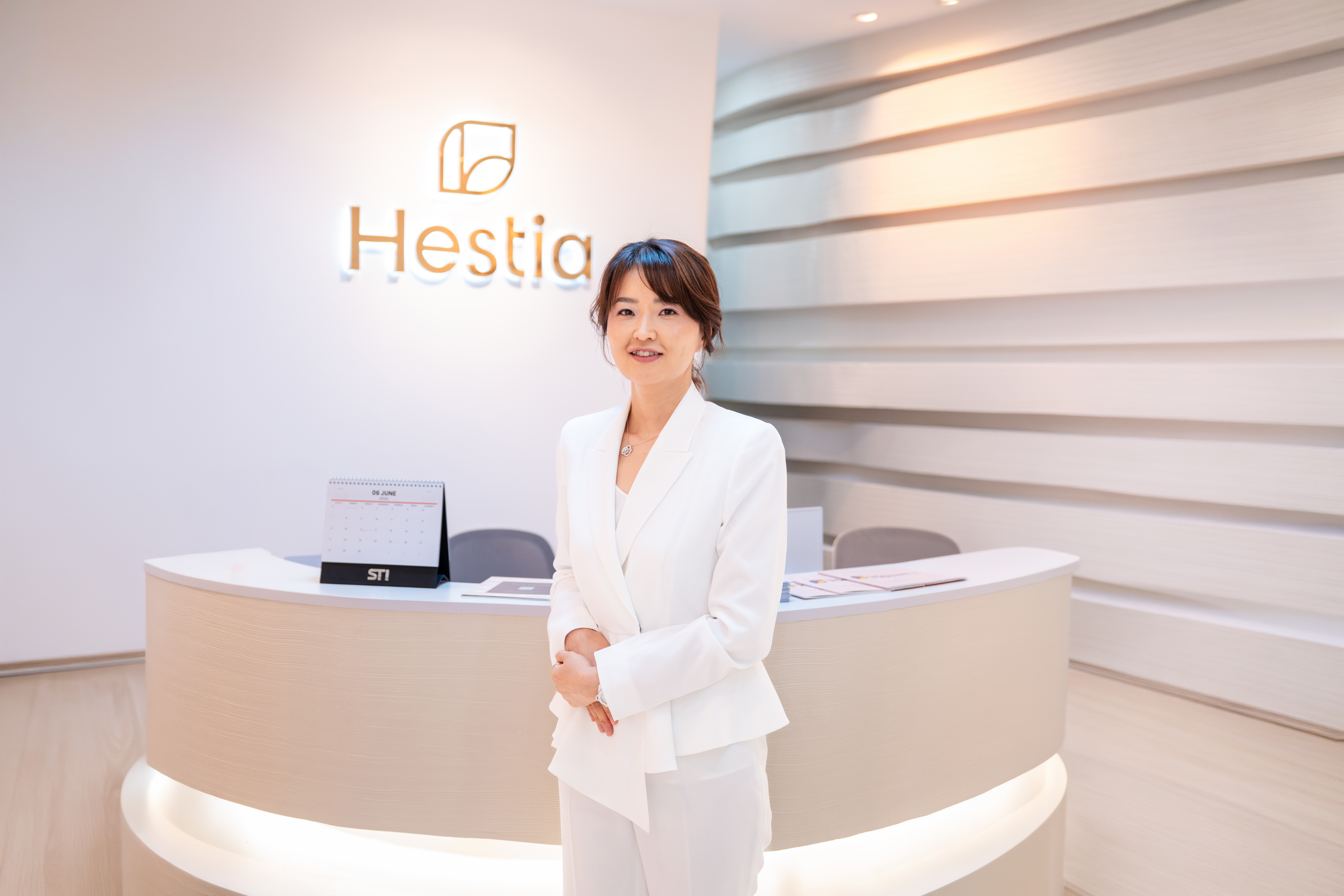
Located at The Solitaire Bali in Sanur, within the Sanur Health Special Economic Zone, Hestia Women’s Clinic Bali offers a private setting for women to discuss intimate health concerns and explore medically appropriate care. The clinic’s approach, known as Hestia Intimate Rejuvenation, brings together personalized consultation, medical assessment, and a range of surgical and non-surgical treatment options.
At Hestia, intimate care is not viewed only through the lens of appearance. Comfort, function, personal goals, privacy, and realistic expectations are all important parts of the conversation. The purpose of a consultation is to help each patient understand her options—not to assume that every concern requires a procedure.
Hestia Women’s Clinic is built around the understanding that there is no single treatment plan that is right for every woman. Anatomy, medical history, symptoms, previous childbirth, hormonal status, and personal expectations can all influence which options may be appropriate. For this reason, the clinic emphasizes individual assessment rather than a one-size-fits-all recommendation.
The clinic’s medical team includes three doctors from South Korea: Dr. Hye Ri Hong, Dr. Jeong Eun Kwon, and Dr. Sung Il Choo. Through collaboration with the Hestia network in Korea, the team brings clinical experience and treatment approaches from Korea to patients in Indonesia. Patients can discuss their concerns locally in Bali rather than assuming they need to travel overseas to begin exploring care.
A private and respectful environment is also central to the patient experience. Intimate health discussions can feel personal, so patients should have the opportunity to ask questions, understand the proposed assessment, and make decisions without pressure. Hestia aims to provide a comfortable setting where those conversations can take place.
The term intimate rejuvenation, sometimes searched for as vaginal rejuvenation, refers to a broad group of treatments that may address different aspects of the vaginal canal, vulvar area, or pelvic floor. It is not one single procedure. Depending on a patient’s assessment and goals, care may involve non-surgical options, surgery, or no procedure at all.
It is useful to distinguish between the areas being treated. The vaginal canal is internal, while the labia are external folds of tissue around the vaginal opening. The pelvic floor is a group of muscles that supports pelvic organs and contributes to bladder and bowel control. Different concerns involve different structures, so the treatment options are not interchangeable.
At Hestia, options described under the intimate rejuvenation approach include pelvic floor rehabilitation, vulvar brightening, intimate or labial filler, energy-based treatments, vaginoplasty, labiaplasty, and labia majora procedures. Each option has its own indications, limitations, risks, and recovery considerations. A qualified doctor should assess whether a treatment is suitable before it is planned.
Pelvic floor rehabilitation is a non-surgical approach that focuses on training and coordinating the muscles that support the bladder, uterus, and bowel. These muscles play a role in pelvic support and urinary control. Some women seek an assessment when they experience urine leakage during activities such as coughing, laughing, or exercising, or when they notice changes in pelvic floor comfort after childbirth.
A rehabilitation plan may involve guided pelvic floor exercises, medically supervised Kegel training, biofeedback, or muscle stimulation using dedicated equipment. The appropriate approach and number of sessions depend on the individual’s condition and assessment. Patients should discuss persistent urinary leakage or pelvic symptoms with a doctor, as these concerns can have different causes and may require different forms of care.
Vulvar brightening is a cosmetic skin-care treatment intended to address uneven pigmentation on selected external intimate areas, such as the vulva or groin folds. Skin tone naturally varies between individuals, and darker pigmentation in these areas is not automatically a sign of poor hygiene or a medical problem.
When a patient is interested in brightening, a clinician should first assess the skin and discuss realistic expectations. Depending on the assessment, options may include a gentle, specially formulated peel or an appropriately selected technology for sensitive skin. Patients should avoid unverified whitening products or harsh home treatments on intimate skin, which can cause irritation.
Intimate or labial filler is described as an injectable treatment that may use medical-grade hyaluronic acid to add volume or improve the contour of the labia majora, the outer vaginal lips. Some patients explore this option when they notice reduced fullness or changes in tissue volume associated with ageing or weight changes.
Filler is not suitable for everyone and should only be considered after a medical consultation. The doctor should explain the product, expected outcome, possible side effects, alternatives, and aftercare. Patients should also understand that results and duration can vary.
Energy-based intimate treatments use technologies such as radiofrequency or laser to deliver energy to selected tissues. These treatments are sometimes discussed in relation to tissue quality or collagen stimulation. However, the evidence, indications, and safety considerations vary by device and intended use.
Energy-based procedures are not automatically appropriate for every intimate concern. Hestia’s source material emphasizes that these treatments should be considered only after careful medical evaluation. During consultation, patients should ask what the device is intended to address, what evidence supports its use, what limitations apply, and what risks or alternatives should be considered.
Vaginoplasty is a surgical procedure that may be considered to repair or tighten vaginal tissue and supporting structures in selected patients. It is generally discussed when there is vaginal laxity or structural change, sometimes following childbirth. Depending on the patient’s anatomy and clinical findings, the procedure may involve repair of tissue and support structures, and reconstruction of the perineal area when medically indicated.
The decision to undergo vaginoplasty should never be based on a general expectation that every vagina needs to be tighter. Excessive tightening may lead to persistent pain or discomfort, including during sexual activity. A thorough consultation is essential to assess the degree of laxity, symptoms, medical history, and the patient’s goals. The doctor should explain the expected benefits, limitations, risks, and recovery plan before any decision is made.
Labiaplasty is a surgical procedure that reshapes or reduces the labia minora, the inner folds of tissue around the vaginal opening. Labia naturally vary in size, shape, thickness, and colour. Variation or asymmetry is common and does not, by itself, mean that surgery is necessary.
Some women consider labiaplasty because of recurring friction, pulling, irritation, or discomfort when wearing tight clothing, exercising, or carrying out daily activities. Others may have concerns related to hygiene or appearance. The most appropriate next step is an individual consultation to understand the concern and determine whether surgery is medically reasonable. Surgery should not be presented as a requirement simply because the labia are longer or asymmetrical.
Labia majora procedures focus on the outer vaginal lips. Depending on the individual’s anatomy and goals, a procedure may involve contouring, addressing excess tissue, or improving volume. Changes in the labia majora can be influenced by ageing, weight changes, and natural anatomical differences.
The treatment plan depends on the specific concern and should be discussed with a doctor. Patients should ask about the proposed technique, scarring, healing, possible complications, and whether a non-surgical alternative is appropriate.
A responsible treatment journey begins with a detailed consultation. The doctor may review symptoms, medical and childbirth history, previous procedures, current medications, and the patient’s expectations. An examination may be recommended when clinically appropriate. The purpose is to understand the underlying concern and determine whether treatment is needed, suitable, and likely to meet the patient’s goals.
For surgical procedures, recovery varies according to the procedure and individual healing. The source information for Hestia describes swelling and discomfort as more noticeable during the first few days, with bruising and swelling gradually improving over the following one to two weeks. A return to normal activities should be guided by the treating doctor. The source also advises avoiding sexual activity and strenuous exercise for at least four to six weeks after surgery, subject to medical clearance.
These timeframes are general information, not a personal recovery guarantee. Patients should follow their own post-operative instructions and contact the clinic if they experience symptoms that concern them. For non-surgical treatments, downtime may be limited, but it depends on the procedure and individual response. The doctor should provide specific aftercare instructions before treatment.
No procedure is entirely risk-free. Non-surgical treatments can still have limitations and potential side effects. The doctor should explain the evidence, suitability, alternatives, and risks of the specific treatment being considered.
Every woman’s body and health journey is different. Whether you have questions about pelvic floor function, changes after childbirth, vulvar skin concerns, or a surgical option, the first step is a private conversation with a qualified medical professional.
At Hestia Women’s Clinic Bali, patients can discuss their concerns with the medical team, learn about available options, and receive guidance based on individual assessment. The goal is to support informed decisions with attention to comfort, privacy, and realistic expectations.
Contact Hestia The Solitaire Bali to arrange a private consultation and learn which options may be appropriate for your needs.

World-Class Aesthetic Surgery
& Longevity Centre
in Bali's Luxury Destination.